Glocal Payments: Seamless Interoperability for a Connected World
Bridging global interoperability with local compliance and user needs — why the next frontier of financial connectivity is as much about governance and trust as it is about technology.
In today's hyper-connected economy, the ability to move money seamlessly across borders is no longer a luxury — it's an expectation. From migrant workers sending remittances to families, to small businesses expanding into new markets, to global enterprises managing multi-currency operations, cross-border payments are at the heart of the digital economy.
Yet despite advances in domestic real-time payment (RTP) systems such as UPI in India, PIX in Brazil, and PayNow in Singapore, the global payments landscape remains fragmented. Different regulatory regimes, settlement infrastructures, and compliance standards often slow down the movement of funds, increase costs, and leave gaps in user experience.
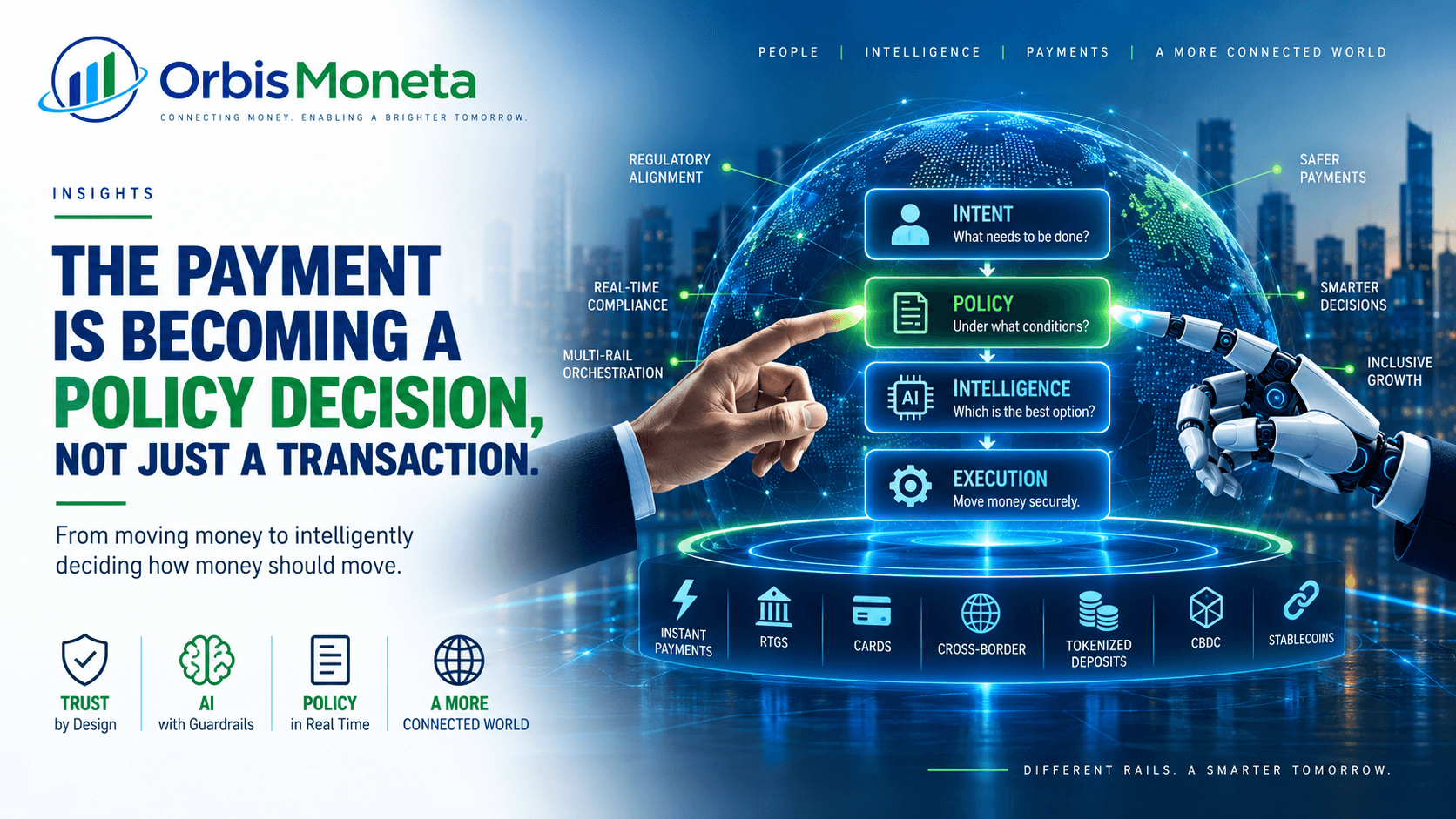
This is where the concept of “Glocal Payments” comes in — bridging global interoperability with local compliance and user needs.
1. The Case for Glocal Payments
1.1 Market Drivers
- Global Trade — international trade exceeded $32 trillion in 2023 (WTO), demanding efficient settlement mechanisms.
- E-Commerce Growth — cross-border e-commerce projected to hit $8.1 trillion by 2027 (eMarketer).
- Remittances — migrant workers sent $860 billion in remittances in 2023, with fees averaging 6% (World Bank).
- Financial Inclusion — over 1.4 billion adults remain unbanked, many relying on cash or informal systems (World Bank, 2021).
- Consumer Expectations — digital-native consumers demand payments as frictionless as messaging apps.
1.2 Why “Glocal” Matters
The term Glocal blends “Global” and “Local.” It emphasizes building payment ecosystems that are globally interoperable but locally compliant and inclusive.
- Global: enabling instant, secure, and cost-effective cross-border payments.
- Local: ensuring adherence to domestic regulations, data sovereignty, and consumer protection.
In other words, a Glocal payment system ensures that money moves freely across borders but is governed responsibly within them.
2. Infrastructure & Interoperability Gaps
For Glocal Payments to scale, banks and payment providers must address some critical infrastructure challenges:
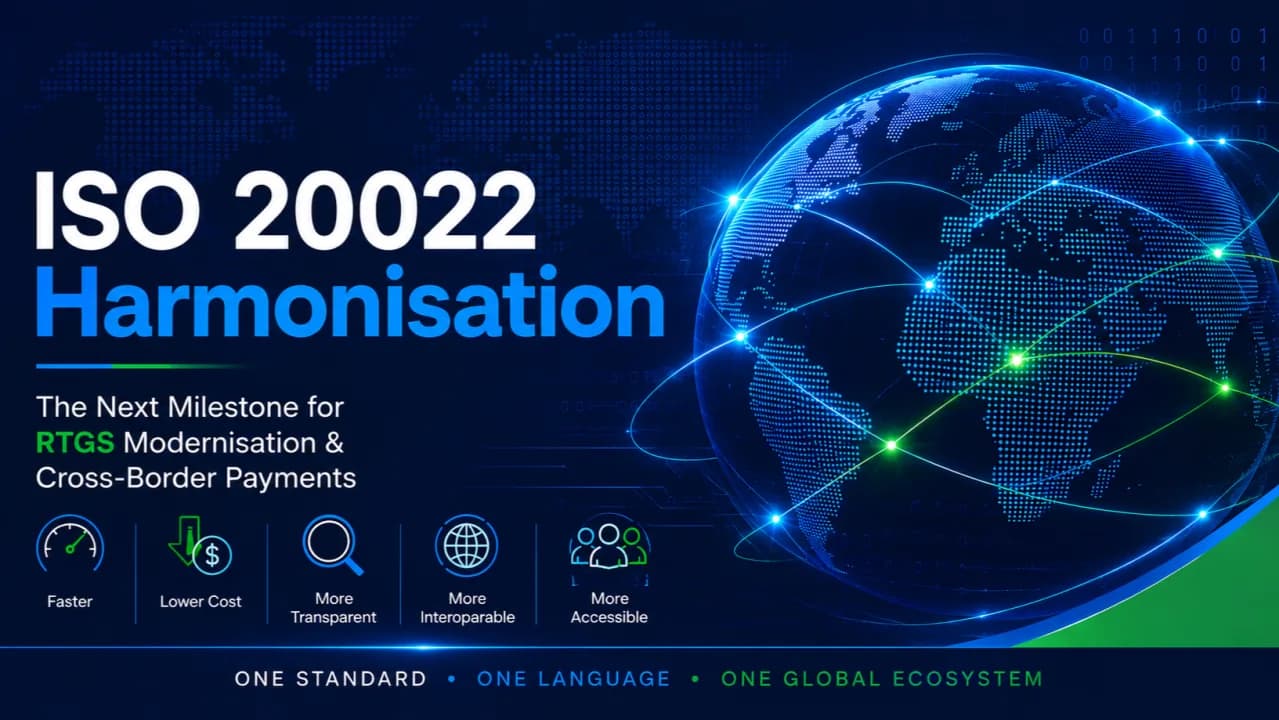
- 01Messaging Standards — widespread adoption of ISO 20022 is still inconsistent across markets, leading to friction.
- 02Cross-Border Compliance — varying KYC/AML rules and data-sharing protocols often delay instant payments.
- 03Liquidity Management — without integrated liquidity optimization frameworks, costs for FX and settlement remain high.
- 04Bilateral Corridors — today's models (like UPI–PayNow) work but are limited. A hub-and-spoke model like BIS's Project Nexus is needed for true scale.
- 05Cybersecurity & Resilience — cross-border systems need stronger protections to withstand fraud, cyberattacks, and operational failures.
3. The Role of Regulators
Having worked closely with various regulators like central banks and clearing operators, I've seen how regulatory innovation can unlock scalable solutions. Future-ready frameworks must include:
- Regulatory Passporting — mutual recognition of licenses to ease cross-border operations.
- Shared Sandboxes — cross-border testing environments to accelerate innovation.
- Digital Identity Standards — enabling secure and portable KYC for seamless onboarding.
- Data-Sharing Protocols — clear guidelines for cross-border data flows while respecting sovereignty.
- CBDC Interoperability — Central Bank Digital Currencies could become the backbone of settlement if designed with interoperability in mind.
4. Innovations Driving Changes
The world is already seeing how domestic innovations and emerging technologies are shaping Glocal Payments:
- UPI — India's UPI has shown how open APIs and public infrastructure can drive mass adoption, inclusion, and innovation.
- Stablecoin Networks — cross-border stablecoin pilots (under regulatory oversight) are proving instant settlement models.
- Project Nexus — the BIS-led initiative to connect multiple real-time payment systems through a single global hub could be a game-changer.
- AI & Blockchain — smarter compliance, real-time fraud monitoring, and programmable settlement are becoming realities.
5. Case Studies of Glocal Payments in Action
UPI–Singapore PayNow Linkage (2023): direct person-to-person transfers between India and Singapore. Reduced cost and processing time from days to seconds.
BIS Project mBridge: involves Hong Kong, Thailand, China, and UAE central banks. Demonstrates cross-border settlement using wholesale CBDCs.
SWIFT gpi: adoption by 4000+ banks globally. Provides transparency, tracking, and faster settlement for international transfers.
SEPA (Single Euro Payments Area): regional harmonization across 36 European countries. Demonstrates the benefits of standardized rules, messaging, and governance.
6. The Road Ahead
The journey toward seamless Glocal Payments is not just a technology challenge — it's about collaboration, governance, and trust.
To build a future-ready ecosystem, we must:
- Invest in interoperable infrastructure.
- Align regulatory frameworks across borders.
- Leverage innovations like CBDCs, stablecoins, AI, and blockchain.
- Keep the focus on end-user experience — fast, cheap, and inclusive payments.
Conclusion
Glocal Payments represent the next frontier of financial connectivity — where money moves as seamlessly as information across the internet. Achieving this vision requires partnership between banks, fintechs, regulators, and technology providers.
As we step into this future, the opportunity is clear: a borderless yet compliant payment ecosystem that empowers individuals, businesses, and economies alike.
Payments are no longer just about transactions — they are the infrastructure of a connected world. By aligning global interoperability with local compliance, the industry can unlock a truly seamless future.