The Economics of Money: From Paper Currency to Programmable Value
In the coming decade, money is set to undergo its most profound transformation since the invention of paper currency — from a physical object to programmable economic infrastructure.
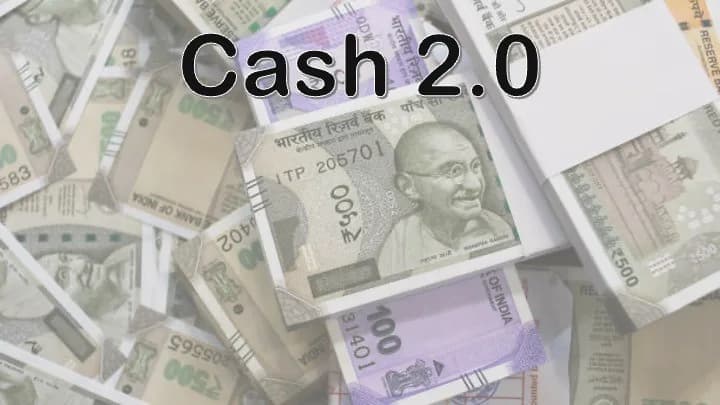
For centuries, money has been seen as a simple instrument — notes in a wallet, balances in a bank account, digits on a mobile screen. But beneath this everyday familiarity lies one of the most powerful economic systems ever created. In the coming decade, money is set to undergo its most profound transformation since the invention of paper currency.
We are moving from money as a physical object to money as programmable economic infrastructure.
What Is Money, Really?
In economic theory, money performs three fundamental functions: it acts as a medium of exchange, a unit of account, and a store of value. Traditionally, this role has been fulfilled by physical cash and bank deposits. Today, however, these forms are merely interfaces. The true engine of money is digital, invisible, and deeply embedded in payment rails, clearing systems, liquidity platforms, and monetary policy frameworks.
Contrary to popular belief, most money is not printed by central banks. It is created when commercial banks issue loans, expanding their balance sheets and injecting new deposits into the economy. This credit-based creation accounts for nearly 90 per cent of money in circulation.
Why Payments Infrastructure Shapes the Economy
Economic growth depends not only on how much money exists, but on how quickly it moves — a concept known as the velocity of money. When money circulates rapidly, trade accelerates, businesses grow faster, and capital becomes more productive.
This is why real-time payment systems such as UPI in India or RTP networks globally are not merely technology upgrades. They are macro-economic enablers. They compress settlement cycles from days to seconds, freeing liquidity trapped in the system and lowering the cost of capital for the entire economy.
The Shift from Monetary Policy to Monetary Engineering
For decades, central banks influenced economies using blunt tools: interest rates, reserve requirements, and liquidity injections. These instruments affected behaviour indirectly.
That is now changing.
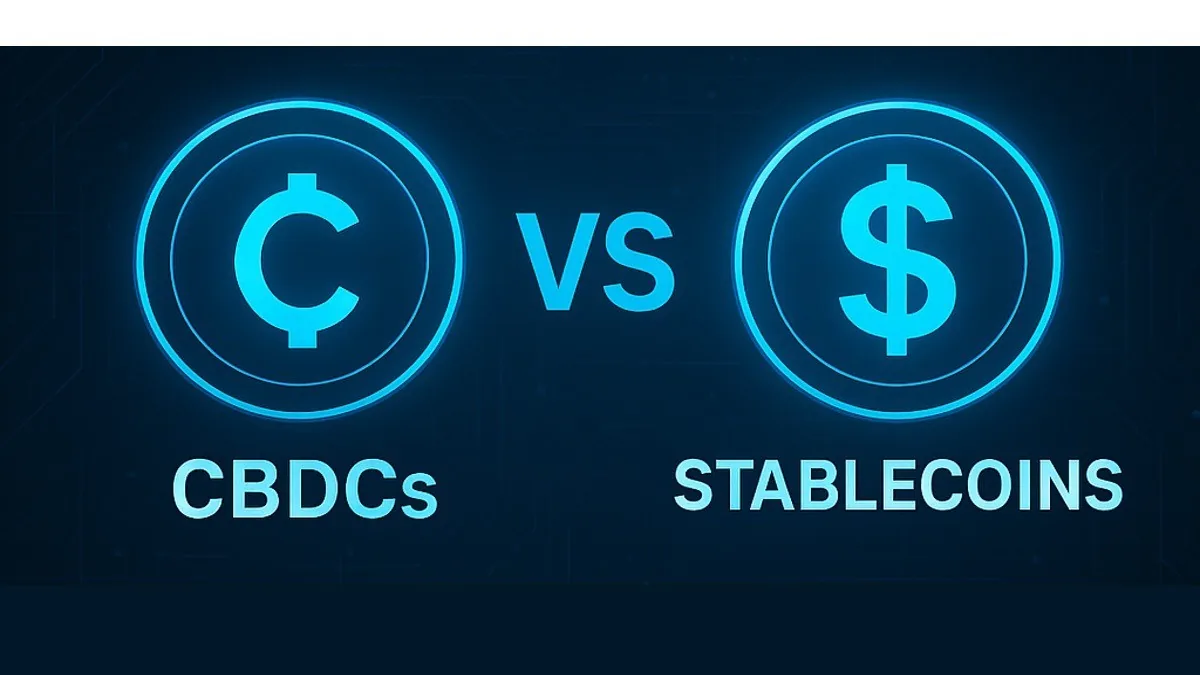
With the advent of Central Bank Digital Currencies (CBDCs) and tokenised deposits, money itself can carry rules. Future currencies may expire, restrict usage to specific sectors, enforce compliance in real time, or disburse welfare benefits with zero leakage.
This is not science fiction. It is already being piloted across multiple jurisdictions.
Money is no longer only a policy instrument — it is becoming a policy platform.
The Question of Dollar Dominance
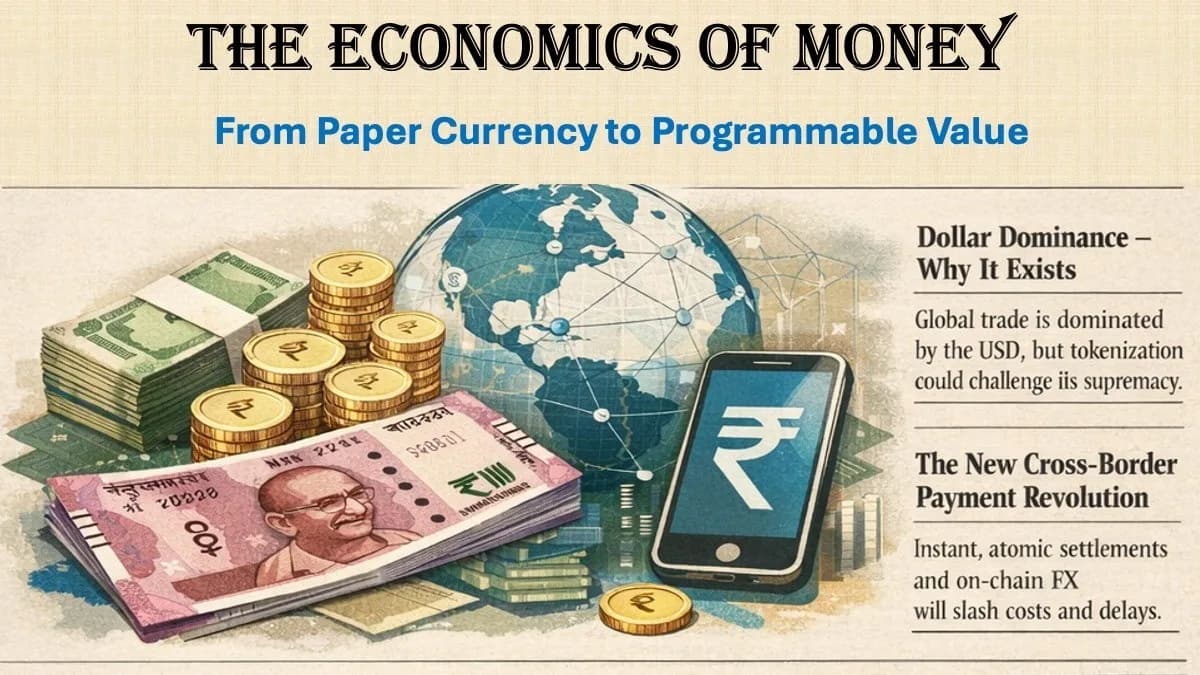
The US dollar dominates global trade not because it is trusted, but because the global financial plumbing is wired around it. Trade invoicing, correspondent banking, clearing systems, and global collateral markets all reinforce dollar dependence.
However, new multi-CBDC platforms and tokenised settlement networks threaten to bypass this infrastructure. If countries can settle trade directly in sovereign digital currencies, the world could move towards a multi-polar monetary order where liquidity, not geopolitics, determines dominance.
The New Economics of Cross-Border Payments
Today's cross-border transactions remain expensive, slow, and opaque. They rely on pre-funded Nostro accounts, multiple intermediaries, and manual reconciliation.
Tokenised money changes this equation completely. Atomic settlement, on-chain foreign exchange, and smart compliance rules promise near-instant transfers at a fraction of today's cost. This shift alone could release billions of dollars currently trapped in idle capital.
Winners, Losers, and the New Monetary Order
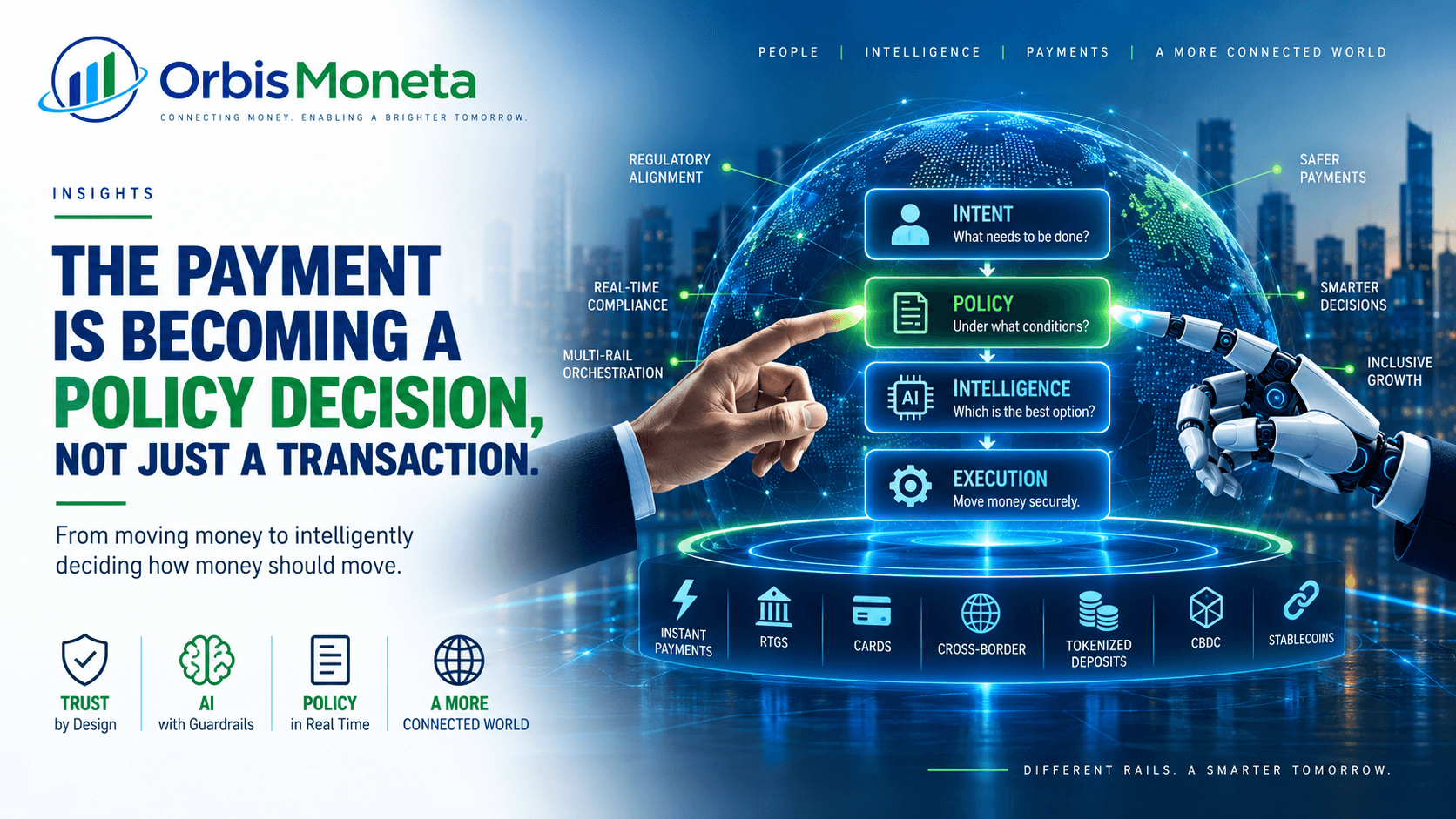
As money becomes programmable, winners will be those who master liquidity orchestration, multi-rail interoperability, and digital trust architecture. Losers will be institutions anchored to legacy correspondent models and batch-based operations.
In the future, banks will not compete primarily on interest rates. They will compete on how frictionless, intelligent, and context-aware their money becomes.
The Road Ahead
Money is being transformed from a passive medium into an active system — one that can embed policy, accelerate trade, and reshape economic behaviour.
This is not merely a financial evolution. It is the redesign of how value flows through society.
The economics of money is no longer about currency. It is about architecture.